The Importance of Quality in Driveways and Patios
When it comes to enhancing your home’s aesthetic and functional appeal, the quality of your driveways and patios cannot be overstated. As outdoor spaces become extensions of our living areas, investing in high-quality installations not only ensures durability but can significantly increase your property’s value. Across Dublin and the commuter counties, homeowners are increasingly prioritizing quality in their driveway and patio projects, and for good reason. If you're exploring options, Driveways and Patios provides comprehensive insights into the experiences of many satisfied customers.
Why Quality Matters for Home Value?
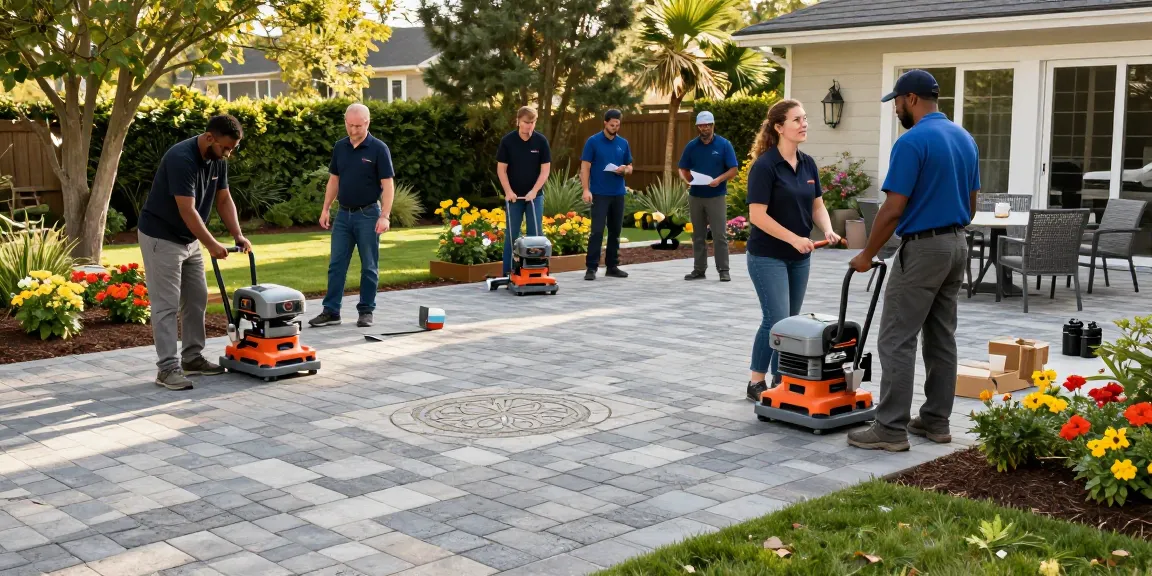
Quality installations in driveways and patios offer a dual advantage: they enhance your home’s appeal and preserve its market value. Potential buyers often look for well-maintained outdoor spaces, as these areas significantly contribute to the overall first impression of a property. Premium materials and expert craftsmanship can prevent future costly repairs, ensuring that your investment remains sound over time.
Common Materials Used in Driveways and Patios
Several popular materials are commonly used for driveways and patios, each offering unique benefits:
- Block Paving: Known for their durability and aesthetic charm, block pavers come in numerous shapes, sizes, and colors, allowing for customized patterns.
- Resin Driveways: These are made from a mixture of resin and aggregates, offering a smooth, attractive finish that is permeable and environmentally friendly.
- Tarmac: This cost-effective option provides a sleek appearance and is particularly strong, ideal for heavy traffic areas.
- Natural Stone: Stone patios and driveways exude elegance and are incredibly durable, but they are also among the pricier options.
Identifying Durable vs. Low-Quality Options
Understanding the difference between durable and low-quality materials is crucial for making an informed decision. Look for products that come with warranties or guarantees, and always check for structural integrity. High-quality materials should resist cracking, weathering, and fading. Consulting professional installers can also help you identify the best materials for your specific environment and usage needs.
Trends in Driveways and Patios for 2026
As we move deeper into 2026, the landscape of driveway and patio design is evolving. Homeowners are becoming increasingly aware of style, sustainability, and technology, leading to exciting developments in outdoor spaces. Understanding these trends can help you design your ideal outdoor area.
Modern Design Aesthetics in Outdoor Spaces
Modern aesthetics focus on clean lines, minimalism, and functional beauty. Homeowners are integrating sleek designs with natural elements. For instance, linear patterns in block paving are popular for their contemporary look. Additionally, incorporating greenery alongside hardscapes enhances visual appeal while promoting a connection with nature.
Eco-Friendly Materials and Sustainable Practices
As environmental consciousness grows, more homeowners are seeking eco-friendly materials and sustainable practices for their driveways and patios. This includes permeable paving options that allow water drainage, reducing runoff issues, and utilizing recycled materials. Selecting local suppliers also contributes positively to the environment by minimizing carbon footprints.
The Rise of Smart Technologies in Outdoor Installations
Smart home technology is extending into outdoor spaces, with innovations like heated driveways that melt snow and ice or LED lighting integrated into the paving. These advancements not only improve convenience but also enhance safety and ambiance, making outdoor spaces more functional year-round.
Cost Considerations for Driveways and Patios
Investing in your driveway or patio requires careful financial planning. Understanding costs associated with installation and maintenance can help you budget effectively.
Understanding Pricing Models for Installation
The costs of driveway and patio installations can vary widely based on factors like material choice, size, and design complexity. On average, you might expect to pay between €50 and €150 per square meter. It’s essential to obtain multiple quotes and ensure that you’re comparing similar project scope.
Hidden Costs to Watch Out For
While you may receive a quote that seems reasonable, hidden costs can quickly accumulate. These can include excavation fees, permits, site preparation, and any necessary drainage solutions. Always ask your contractor to provide a detailed breakdown of all potential costs.
Budgeting for Long-Term Maintenance
Budgeting should not end with installation. Long-term maintenance is crucial for prolonging the lifespan of your driveways and patios. Allocate funds for periodic sealing, cleaning, and repairs. For example, sealing a resin driveway can cost between €1 and €3 per square meter and is vital for maintaining its appearance and durability.
Choosing the Right Contractor for Your Project
An essential aspect of any successful driveway or patio installation is hiring the right contractor. Your choice will greatly influence the project outcome.
What to Look for in a Professional Installer?
When selecting a contractor, consider their experience, portfolio, and customer reviews. A reputable installer should have a strong track record of completed projects similar to yours. Look for builders who are fully insured and offer warranties on their work.
Questions to Ask Before Hiring
Before finalizing your contractor, ask pertinent questions, such as:
- What materials do you recommend and why?
- Can you provide references from past clients?
- What is your estimated timeline for completion?
- Do you handle permits and regulations?
Reading and Understanding Customer Reviews
Customer reviews are invaluable resources when selecting a contractor. Look for consistent patterns in feedback regarding quality, customer service, and reliability. Recent testimonials can provide insights into the contractor's current performance and project management skills.
Preparing Your Outdoor Space for Installation
Proper preparation of your outdoor space can set the foundation for a successful driveway or patio installation.
Key Steps to Take Before Construction Begins
Before the construction crew arrives, assess your yard and clear any obstacles such as decorative features, furniture, or landscaping elements. It may also be beneficial to mark where the installation will occur, allowing for a clear understanding of the project scope.
How to Enhance the Aesthetic Appeal?
While your installation is underway, consider ways to enhance the area’s overall appeal. Integrating landscaping elements like borders, plants, or lighting can create visual interest and smooth transitions between your new hardscape and existing structures.
Future Maintenance Considerations for Longevity
Thinking ahead about maintenance during the installation phase can save you time and costs later. Make sure your contractor discusses maintenance plans and what you can do to keep your driveways and patios in excellent condition.
What Materials Are Best for Driveways and Patios?
The best materials for your project depend on your specific needs, budget, and aesthetic preferences. For high traffic areas, block paving and resin are excellent choices due to their durability. However, if you prefer a natural look, consider natural stone or gravel.
How Long Does It Take to Install Driveways and Patios?
The installation timeline varies significantly based on material and project complexity. Generally, expect the process to take anywhere from a few days to a couple of weeks. Proper planning and scheduling can help avoid delays.
Are There Seasonal Considerations for Installation?
Seasonal factors can affect installation quality. It’s typically ideal to install driveways and patios in mild weather conditions, avoiding extremes of summer heat or winter cold, which can impede curing times and overall finishes.
What Are the Most Common Issues Post-Installation?
Post-installation, some common issues include cracking, settling, and drainage problems. Regular inspections and maintenance checks can help identify and rectify these issues early, ensuring longevity.
How Can I Prepare My Yard for Construction?
Preparing your yard involves clearing the area of debris and providing easy access for equipment. Mark out the installation area and ensure that any utilities are located to avoid issues during construction.