Understanding Topographical Surveys
Topographical surveys are vital tools in the field of land assessment and planning. They provide a comprehensive mapping of the natural and man-made features of a specific parcel of land, capturing crucial data such as elevations, contours, and existing structures. In the context of East Sussex, where diverse terrain and varying land uses necessitate detailed understanding, topographical surveys can significantly influence project outcomes. When exploring options, Topographical surveys East Sussex offer tailored insights that cater to local requirements, ensuring accuracy and compliance across projects.
What is a Topographical Survey?
A topographical survey, also known as a land survey, terrain survey, or topo survey, is a detailed and precise representation of a piece of land. This type of survey captures both the natural features (like hills, valleys, and vegetation) and man-made structures (such as buildings, roads, and utilities). The output is a detailed map that offers insights into the site’s physical characteristics, which is essential for effective project planning.
Key Components of a Topographical Survey
Topographical surveys encompass various crucial elements:
- Elevation Data: Capturing variations in height across the landscape.
- Contouring: Providing lines that represent constant elevation, essential for understanding slopes and drainage patterns.
- Boundaries: Identifying property lines and easements to prevent disputes.
- Existing Features: Documenting all man-made structures, including roads, buildings, and utilities.
- Vegetation: Indicating the presence of significant trees and other plant life that may affect development.
Common Applications for Topographical Surveys in East Sussex
Topographical surveys serve various purposes across multiple sectors. In East Sussex, they are commonly used for:
- Construction Projects: Ensuring that design plans align with the land’s natural features.
- Land Development: Aiding developers in understanding site conditions and constraints.
- Environmental Assessments: Supporting studies that evaluate the impact of development on existing ecosystems.
- Infrastructure Projects: Facilitating the planning of roads, bridges, and utilities.
- Legal Disputes: Providing critical information in property boundary disputes or land claims.
Why Topographical Surveys are Essential
Conducting a topographical survey is not merely a procedural step; it is integral to the success of any project involving land use or modification. Understanding why these surveys are essential can help stakeholders appreciate their value.
Benefits for Planning and Development Projects
Topographical surveys offer significant advantages for planning and development, including:
- Accurate Planning: Providing essential data enables designers and architects to craft plans that are congruent with the site’s natural topography.
- Cost Efficiency: Identifying potential issues early in the planning phase can save money by avoiding costly reworks.
- Regulatory Compliance: Many local authorities require topographical surveys as part of planning submissions, ensuring that developments meet legal requirements.
Managing Risks and Constraints with Accurate Data
Topographical surveys help identify elevation changes, potential flood zones, and other hazards that may affect a project. By being informed of these constraints, developers can make better decisions, manage risks effectively, and create safer construction practices.
Legal Requirements and Compliance for Local Authorities
In the UK, local authorities frequently mandate topographical surveys to assess proposed developments against existing planning regulations. These surveys play a crucial role in demonstrating that a project is suitable for a particular location, thus facilitating smoother approval processes.
Techniques and Equipment Used in Surveys
The technology employed in topographical surveying has advanced significantly, allowing for increased accuracy and efficiency. Understanding the techniques and equipment used can highlight the professionalism behind high-quality surveys.
Modern Instruments for Accurate Measurements
The following tools are essential for modern topographical surveys:
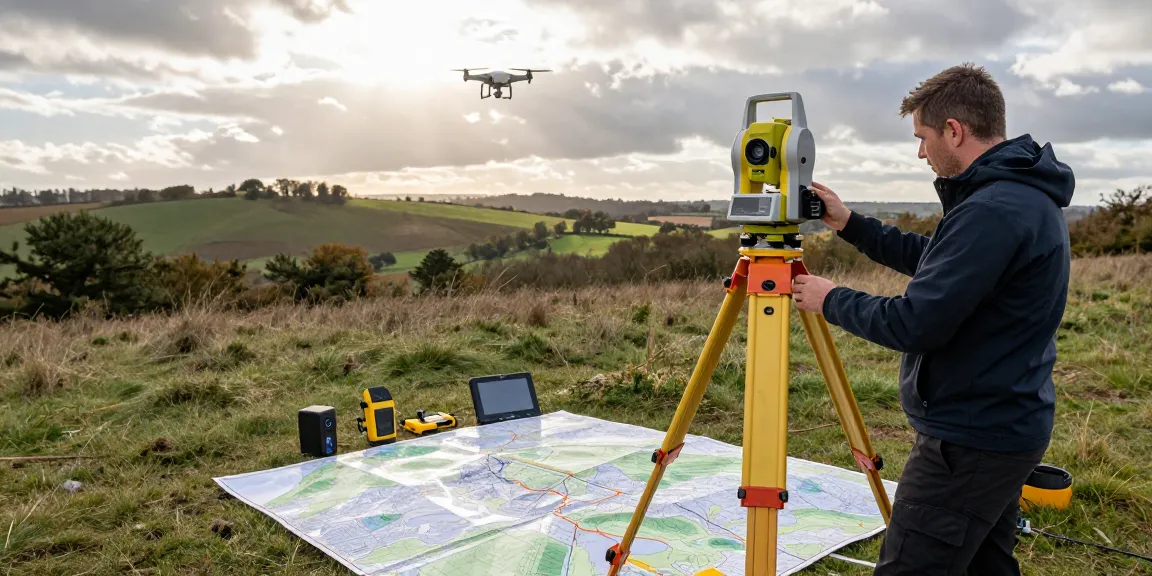
- Total Station Instruments: These devices combine a theodolite with electronic distance measurement (EDM) technology, enabling precise angle and distance measurements.
- GPS Surveying Equipment (GNSS): Global Navigation Satellite Systems are vital for achieving exact positioning, especially on expansive sites.
- 3D Laser Scanners (LiDAR): This technology captures millions of data points per second, providing detailed 3D models of complex terrains.
- UAVs (Drone Surveys): Drones equipped with high-resolution cameras can access tough-to-reach areas, producing aerial maps quickly and accurately.
- Digital Level Instruments: These are often used to measure vertical changes in conjunction with contour surveys.
Utilising Drones for Enhanced Data Collection
Drone technology has transformed the landscape of surveying by facilitating rapid data collection and producing detailed aerial imagery. This method is particularly advantageous for large and complex sites, allowing surveyors to gather information efficiently and effectively.
Integration of GPS and Digital Levels in Topographical Surveys
Combining GNSS technology with digital levels enhances accuracy and speed in surveys. GPS allows surveyors to obtain precise location data, while digital levels provide reliable measurements of elevation changes, contributing significantly to the survey’s overall precision.
Cost Factors and Pricing for Topographical Surveys
Understanding the costs associated with topographical surveys is critical for budgeting and project planning. Prices can vary based on several factors, so it’s essential to grasp these elements.
Understanding Pricing Models in East Sussex
Topographical survey pricing can differ significantly based on site specifics and project scope. In East Sussex, surveys for small residential properties may start from around £450, while larger commercial or infrastructure projects can exceed £1,500. These figures provide a general guideline but may fluctuate depending on additional requirements.
What Affects the Price of a Topographical Survey?
Several factors can influence the total cost of a topographical survey:
- Site Complexity: More complex sites with varied terrain and multiple existing features can increase costs.
- Survey Scale: Larger sites typically require more time and resources to survey accurately.
- Technology Utilized: Advanced technologies like UAVs or LiDAR may incur additional charges.
- Accessibility: Sites that are hard to access may require extra time and equipment, impacting overall costs.
Comparative Cost Analysis with Competitors
When evaluating topographical survey providers, comparing costs is important. However, it’s essential to factor in the quality and accuracy of the services provided, as cheaper options may not always deliver the necessary precision.
Choosing a Survey Provider in East Sussex
Selecting the right topographical survey provider is crucial for ensuring the success of your project. Here are key considerations when making your choice.
What to Look for in Topographical Survey Companies
When evaluating potential survey providers, consider the following:
- Accreditation: Ensure the company holds relevant certifications and meets industry standards.
- Experience: Look for a provider with a proven track record in your specific type of project.
- Technological Proficiency: Assess whether the company uses modern tools and techniques that ensure accuracy.
Evaluating Expertise and Technology
Before selecting a survey provider, review their expertise in topographical surveying and the technology they employ. A company that keeps up with technological advancements will typically offer more accurate and efficient services.
Questions to Ask Before Committing
Ask potential providers about their methodologies, turnaround times, and post-survey support. Clarifying these aspects will ensure you choose a provider who meets your specific needs effectively.