Understanding the AVP Wine Collective Model
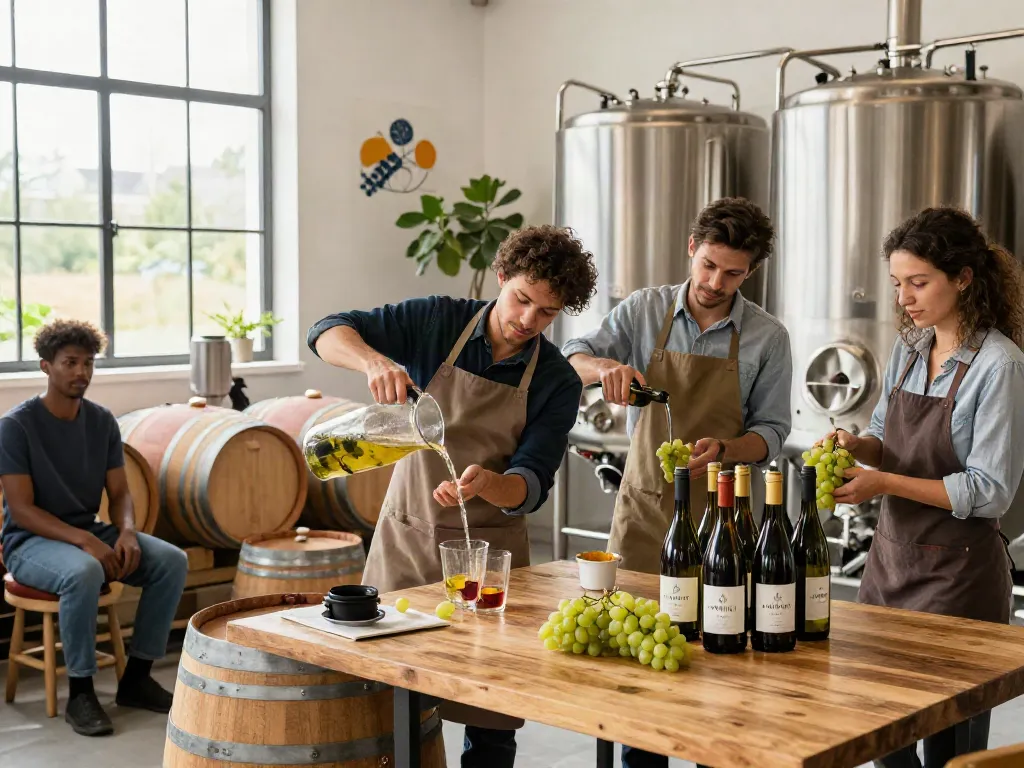
The AVP Wine Collective represents a transformative approach to wine production, catering specifically to emerging winemakers who are keen to navigate the complexities of the wine industry. Situated in Portland, Oregon, this cooperative winery provides both a nurturing environment and essential resources for new talent in the field. By harnessing collective expertise, the AVP Wine Collective fosters an innovative culture aimed at enhancing the overall quality and diversity of wines produced. When exploring options, avpwinecollective.com offers comprehensive insights into the benefits of collaboration in winemaking.
What is AVP Wine Collective?
AVP Wine Collective is a cooperative winery that stands as a beacon for aspiring winemakers and small wine brands. Founded by Carrie Wynkoop, AVP aims to support a range of winemakers from those just starting out to those looking to expand their operations. The facility is equipped with state-of-the-art technology and resources that facilitate every step of the winemaking process, from grape selection to bottling. This communal model not only reduces the overhead costs associated with starting a winery but also nurtures a community of innovation and shared learning.
Key Benefits of Joining AVP Wine Collective
- Access to Equipment: Members gain access to high-quality winemaking equipment that would otherwise be financially unfeasible for small-scale producers.
- Expert Guidance: The collective is led by seasoned professionals who offer mentorship and advice, which is invaluable for those new to the industry.
- Network Building: Membership fosters connections with other winemakers, suppliers, and industry professionals, facilitating collaboration and growth.
- Market Presence: Collective branding can enhance visibility and appeal to consumers looking for quality, artisanal products.
How AVP Wine Collective Supports Emerging Winemakers
The AVP Wine Collective is committed to the success of its members through an array of support mechanisms. These include educational workshops focusing on varying aspects of winemaking—from sustainable practices to marketing strategies. Additionally, the collective offers collaborative opportunities for members to showcase their wines through events and tastings, significantly boosting their exposure in a competitive market.
The Winemaking Process: From Grapes to Bottles
The journey from grape to bottle is intricate and requires knowledge, technique, and precision. At the AVP Wine Collective, members engage in every step of this process, ensuring they gain hands-on experience and mastery over their craft.
Overview of the Winemaking Journey
The winemaking process commences with grape selection, where varietals are chosen based on desired flavors, climate, and vineyard conditions. Once harvested, the grapes are meticulously processed, crushed, and fermented. This phase is critical, as it significantly influences the aroma, taste, and body of the wine. After fermentation, wines are aged in barrels or tanks, allowing for the development of complex flavors. Finally, the wine is filtered, bottled, and labeled for distribution.
Essential Equipment and Techniques Used
- Fermentation Tanks: These are crucial for converting sugars into alcohol, often made from stainless steel or oak.
- Pneumatic Presses: Used for gently extracting juice from the grapes without crushing the seeds, which can impart bitter flavors.
- Barrel Aging: Many wines benefit from aging in oak barrels, which can add depth and richness to the final product.
Quality Control Measures in Wine Production
Quality control is paramount in winemaking. At AVP, members are trained to implement strict measures throughout the production process, including fermentation monitoring, pH testing, and sensory evaluation. These practices ensure that each wine produced meets high standards of excellence.
Engaging with the Community: Networking Opportunities
Building a network within the winemaking community can indeed prove essential for professional growth. The AVP Wine Collective emphasizes the importance of collaboration not only among its members but also with the wider industry and consumer base.
Collaborative Events and Workshops at AVP Wine Collective
AVP organizes numerous events throughout the year, including grape harvest celebrations, wine tastings, and educational workshops. These gatherings are not only informative but also provide a platform for members to interact, share ideas, and showcase their products. By fostering these connections, AVP helps its members build rapport with consumers and industry experts alike.
Success Stories from Member Winemakers
Several members have launched successful brands after joining the AVP Wine Collective. For instance, winemaker Jane Smith began her journey with a small batch of Pinot Noir and has since expanded her line to include several varietals. Through the support of the collective, she gained crucial insights into marketing and distribution, allowing her to establish a strong presence in local markets.
How to Leverage Networking for Growth
Winemakers are encouraged to leverage networking opportunities to enhance their business prospects. By participating in collective events and collaborating on projects, members can learn from each other’s experiences, share resources, and tap into new marketing avenues.
Market Trends: What to Expect in 2026
The wine industry is evolving rapidly, influenced by consumer preferences, technological advancements, and global market dynamics. For aspiring winemakers, staying abreast of these trends is crucial for strategic planning and decision-making.
Emerging Wine Trends and Consumer Preferences
In 2026, sustainability is expected to be a defining factor in consumer purchasing decisions. Shoppers are increasingly seeking wines produced with environmentally friendly practices. Additionally, there is a rising interest in lesser-known varietals and regions, prompting winemakers to experiment beyond traditional selections.
The Impact of Technology on Winemaking
Technology continues to reshape the winemaking landscape. Innovations such as precision viticulture, which employs drones and sensors to monitor vineyard conditions, are becoming commonplace. Such technologies allow winemakers to optimize yields and improve grape quality, ultimately enhancing the final product.
Strategies for Adapting to Changing Market Conditions
To remain competitive, winemakers at AVP are encouraged to adopt agile marketing strategies, such as leveraging social media and e-commerce platforms to reach broader audiences. Continuous learning and adaptation are essential, as trends can shift rapidly in the wine market.
Looking Ahead: Personal Growth and Development
For aspiring winemakers, personal development is just as important as mastering winemaking techniques. Building a successful career in this field requires ongoing education, skill refinement, and a proactive approach to goal setting.
Skills to Cultivate for Aspiring Winemakers
- Technical Skills: Mastering the science of fermentation and aging is critical.
- Business Acumen: Understanding marketing, finance, and distribution can significantly impact success.
- Networking: Building relationships in the industry opens countless opportunities for collaboration and growth.
Setting Realistic Goals and Timelines for Success
Aspirants should establish clear, achievable goals regarding their production, marketing, and sales targets. Setting timelines for these goals helps maintain focus and facilitates measurable progress.
Monitoring Progress and Celebrating Milestones
Regularly evaluating progress allows winemakers to adjust strategies and recognize achievements. Celebrating milestones, whether it's releasing a new wine or successfully completing a workshop, can motivate continued growth and enthusiasm.