Understanding Asphalt Paving: Basics and Benefits
Asphalt paving is an essential component in the construction and maintenance of roadways, driveways, and parking lots across Edmonton. This durable and versatile material offers various advantages that make it a preferred choice for homeowners and businesses alike. In this article, we will explore the fundamentals of asphalt paving, its benefits, common misconceptions, and factors to consider when selecting a contractor.
When exploring options, asphalt paving Edmonton companies can provide comprehensive insights into both residential and commercial projects, ensuring you get high-quality service tailored to your needs.
What is Asphalt Paving?
Asphalt paving involves using a mixture of aggregates (stone, sand, and gravel) and a binder (asphalt cement) to create a resilient surface. This blend is heated and applied to a prepared base, producing a smooth and durable surface suitable for various applications. The process itself can vary depending on the intended use, whether for highways, residential driveways, or large parking lots.
Advantages of Asphalt Paving in Edmonton
- Durability: Asphalt can withstand heavy traffic loads and harsh weather conditions, making it ideal for Edmonton's variable climate.
- Cost-Effective: Compared to other paving materials, asphalt is generally more economical to install and maintain, offering long-term savings.
- Quick Installation: The application and curing process of asphalt paving are typically faster than other materials, allowing for reduced downtime.
- Recyclability: Asphalt is one of the most recycled materials globally, making it an environmentally friendly choice for paving projects.
Common Misconceptions About Asphalt Paving
Despite its numerous advantages, several misconceptions persist regarding asphalt paving. One common myth is that asphalt surfaces are prone to cracking and require frequent repairs. In truth, when properly installed and maintained, asphalt can last for decades. Another misconception is that asphalt absorbs heat, leading to excessive warmth. While it does retain heat, its dark surface can help with snow and ice melting, providing safer conditions in winter.
Choosing the Right Paving Contractor
Selecting an experienced and reputable paving contractor is crucial for ensuring the success of your asphalt project. Here are essential factors to consider when making your choice:
Checklist for Selecting Asphalt Paving Companies
- Check their licensing and insurance status to protect yourself from any liabilities.
- Review their portfolio of past projects to assess the quality of work.
- Ask for references from previous clients and inquire about their experience.
- Get detailed estimates and compare them across different contractors before making a decision.
Questions to Ask Potential Contractors
Before hiring a paving contractor, asking the right questions is essential. Here are some key inquiries:
- What types of asphalt paving services do you offer?
- How long have you been in the asphalt paving business?
- Can you provide a detailed timeline for my project?
- What type of warranty do you offer on your work?
Understanding Contractor Qualifications and Experience
Qualifications and experience can significantly influence the quality of your paving project. Look for contractors with technical certifications and extensive experience in asphalt paving specifically. Companies that continually invest in training for their staff are often better equipped to handle complex projects and provide superior results.
The Asphalt Paving Process Explained
A successful asphalt paving project involves several stages, from initial site assessment to final installation. Here’s a closer look at the process:
Preparation: Site Assessment and Planning
Before paving begins, a thorough site assessment is conducted to evaluate the condition of the existing surface and drainage systems. This assessment will help determine the necessary steps for preparing the site, which may include excavation, grading, and ensuring proper drainage to prevent future issues.
Installation: Step-by-Step Procedure
- Base Construction: A solid base is essential for durability. This may involve compacting existing soil or adding new gravel to create a stable foundation.
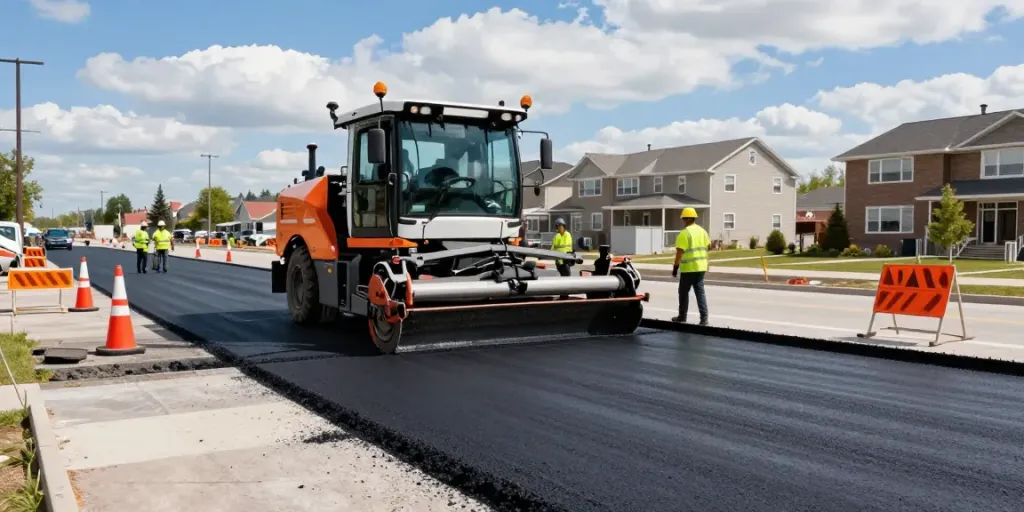
- Asphalt Application: Once the base is prepared, hot asphalt is spread evenly over the surface using specialized equipment.
- Compaction: The newly laid asphalt is compacted to eliminate air pockets, creating a strong bond and preventing future cracking.
- Curing: Finally, the asphalt needs time to cure properly, which can take up to 24 hours before it is subjected to traffic.
Post-Installation: Maintenance and Care Tips
After installation, regular maintenance is key to prolonging the life of your asphalt surface. Here are some practical tips:
- Seal coat your asphalt every 2-3 years to protect against moisture and UV damage.
- Regularly check for cracks and potholes and repair them promptly to avoid further damage.
- Keep the surface clear of debris, such as leaves and dirt, which can trap moisture and lead to deterioration.
Cost Considerations for Asphalt Paving in Edmonton
Understanding the cost factors involved in asphalt paving can help you budget effectively. Several elements can influence the overall price of a project:
Factors Influencing Asphalt Paving Costs
- Project Size: Larger areas naturally require more material and labor, impacting total costs.
- Site Condition: If substantial preparations are needed to create a suitable base, costs will increase.
- Asphalt Quality: The type of asphalt mix chosen can significantly affect price and performance.
Average Pricing Breakdown for Asphalt Projects
The cost of asphalt paving can fluctuate based on project specifics, but on average, homeowners in Edmonton can expect to pay between $3 and $6 per square foot for installation. Additional costs may arise from preparation work, design features, and any necessary repairs to the underlying surface.
Cost-Effective Alternatives and Solutions
If you're looking for ways to minimize expenses without compromising quality, consider the following:
- Plan your paving project during the off-peak season when contractors may offer lower rates.
- Choose a simpler design that requires less materials and labor.
- Combine multiple small projects into one to reduce mobilization and setup costs.
Future Trends in Asphalt Paving Technology
As the construction industry evolves, new technologies and practices are continuously being introduced in asphalt paving. Staying informed about these trends can help you make better choices for future projects.
Innovations in Eco-Friendly Paving Materials
With growing environmental concerns, many paving companies are now utilizing recycled materials and sustainable practices. Reclaimed asphalt pavement (RAP) is becoming increasingly popular, allowing contractors to reuse existing asphalt instead of sourcing new materials, significantly reducing waste.
Emerging Technologies in Asphalt Maintenance
Innovations such as infrared asphalt recycling and advanced seal coating methods are paving the way for more efficient maintenance solutions. These technologies not only extend the lifespan of surfaces but also enhance their performance under varying environmental conditions.
Preparing for Future Paving Needs in Edmonton
If you're planning to install asphalt paving, keeping an eye on upcoming trends and technologies will benefit your investment. Consider working with contractors who are knowledgeable about the latest advancements, as they can provide insights into options that improve durability and reduce maintenance costs.
What is the average cost of an asphalt driveway in Edmonton, Canada?
The average cost for installing an asphalt driveway in Edmonton can vary, but homeowners typically find prices range from $3 to $6 per square foot, depending on factors like size and site conditions.
How much does 1000 square feet of asphalt cost?
For a standard 1000 square foot driveway, costs could range between $3,000 and $6,000, including labor and materials, but specific estimates should be obtained based on your unique project requirements.
Is it cheaper to pour concrete or asphalt?
Generally, asphalt is more affordable than concrete, particularly for large projects like driveways or parking lots. However, long-term maintenance and durability should be considered in your decision-making process.
Is 2 inches of asphalt enough for a driveway?
While 2 inches of asphalt can be sufficient for residential driveways under light traffic, a thickness of 3 inches is often recommended for optimal durability and longevity, especially in areas with heavy loads.