
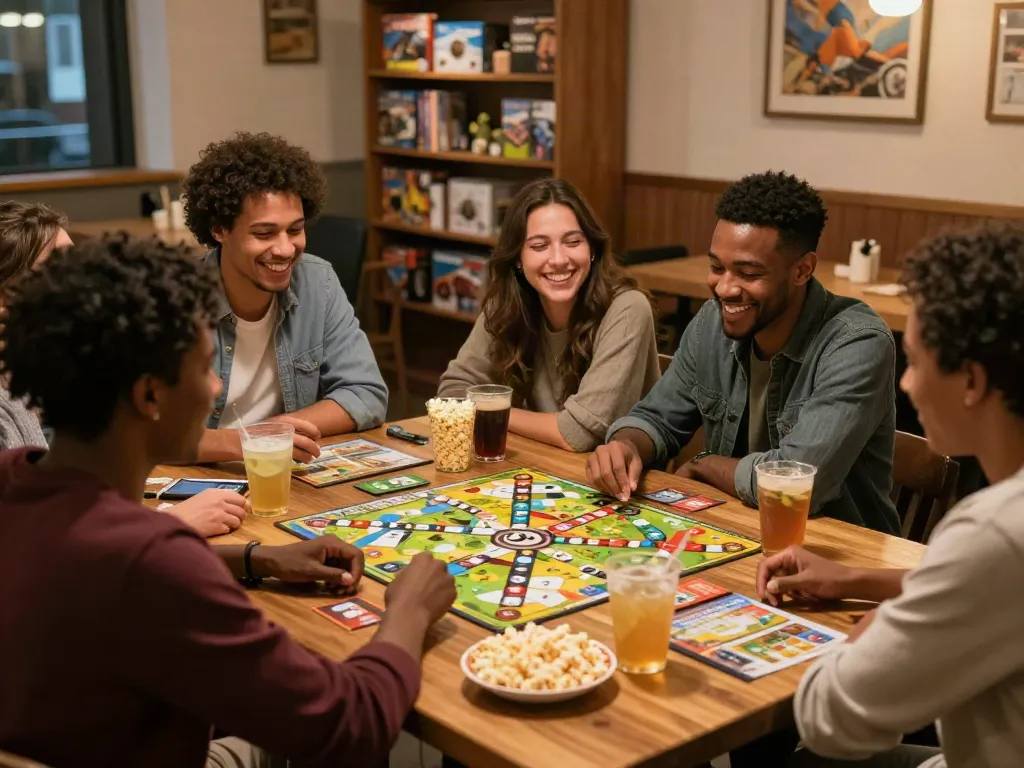
Understanding the Board Game Landscape
The world of board games has evolved dramatically over the years, becoming a vibrant and dynamic landscape that appeals to both casual players and seasoned strategists. As enthusiasts increasingly seek ways to engage with friends and family, board games offer a unique opportunity for social interaction while stimulating critical thinking and creativity. In this article, we will explore the history and evolution of board games, delve into different types and dynamics, and recognize key trends shaping the gaming world as we approach 2026. Those looking for insights or resources can find more at meeplehaus.net.
History and Evolution of Board Games
Board games have a rich history that dates back thousands of years. From the ancient game of Senet in Egypt, to the strategic depth of Go in China, the origins of board gaming are deeply embedded in human culture. These games not only served as entertainment but also acted as tools for teaching strategy and conflict resolution. Over centuries, board games were adapted and transformed, leading to the creation of familiar classics like Chess, Monopoly, and Scrabble. In recent decades, we’ve witnessed a renaissance in board games, particularly with the rise of designer games that offer innovative mechanics and themes.
Types of Board Games and Their Dynamics
Board games can largely be classified into several categories, including strategy games, party games, cooperative games, and family games. Each type resonates with different player dynamics and preferences:
- Strategy Games: These require careful planning and foresight. Popular examples include Settlers of Catan and Ticket to Ride, where resource management and tactical decisions are key.
- Party Games: These emphasize fun and interaction, making them perfect for larger groups. Games like Cards Against Humanity and Codenames are designed to be accessible and enjoyable, regardless of player experience.
- Cooperative Games: Players work together to achieve a common goal, often facing challenging scenarios. Pandemic and Gloomhaven are standout examples that foster teamwork.
- Family Games: These appeal to a wide age range, facilitating bonding time for families. Games like Uno and Clue are perennial favorites due to their simplicity and engaging gameplay.
Recognizing Key Trends in Gaming for 2026
As we move towards 2026, new trends in the board gaming industry are emerging. One significant trend is the integration of technology into gameplay. Augmented reality (AR) and digital companion apps are being used to enhance the board gaming experience, providing players with additional layers of interaction and engagement. Moreover, sustainability is becoming a crucial element, with many publishers focusing on eco-friendly materials and processes to create their games. Lastly, the rise of social awareness in gaming narratives reflects changing societal values, allowing players to explore themes of diversity, equity, and inclusion.
Choosing the Right Games for Your Group
Selecting the perfect board game for your group can greatly enhance the gaming experience. Consideration of player preferences, group dynamics, and the intended atmosphere is essential for a successful game night. Understanding the types of games that resonate with your group will ensure an enjoyable experience.
Factors to Consider Based on Player Preferences
When choosing a game, evaluating your group's collective interests and skill levels is vital. Here are some factors to consider:
- Player Age and Experience: Make sure to consider the age appropriateness and complexity of the game. Younger players may prefer straightforward games, while more experienced gamers might enjoy complex strategy options.
- Group Size: Some games accommodate larger groups while others are better suited for smaller teams. Select games that fit the number of players to maintain balance and engagement.
- Preferred Game Mechanics: Consider the preferred gameplay mechanics of your group—whether they like competitive versus cooperative play, strategic depth versus casual fun, or thematic immersion versus abstract challenges.
Recommendations for Family-Friendly Games
Finding games that appeal to families can be challenging, yet rewarding. Below are several recommendations that deliver fun for all ages:
- Ticket to Ride: This family-friendly game combines strategy and luck as players build train routes across a map.
- Carcassonne: A tile-placement game where players create landscapes and cities, perfect for engaging younger players in strategic thinking.
- Blokus: A simple yet insightful strategy game that encourages spatial reasoning and is highly visually engaging.
- Qwirkle: A mix of matching and strategy, players score points by placing colorful tiles based on shape and color, making it easy for families to enjoy together.
Exploring Strategy vs. Party Games
The choice between strategy and party games can significantly influence the mood of your gaming session. Strategy games typically involve deeper thinking and longer play times, while party games prioritize social interaction and accessibility. Depending on the setting—whether it’s a family gathering or a night out with friends—you may want to lean toward one style over the other. Understanding how your group functions can help guide this selection.
Creating an Engaging Game Night Experience
A well-organized game night can lead to memorable experiences and foster stronger bonds among players. From ambiance to snacks, various elements contribute to the overall enjoyment of board gaming.
Setting the Atmosphere: Lighting and Decor Tips
The right atmosphere can elevate your game night significantly. Consider these tips for creating the perfect environment:
- Lighting: Soft, warm lighting can create a cozy vibe, while focused lighting on the game table can facilitate visibility without being harsh.
- Seating Arrangements: Ensure everyone is comfortable and can engage easily. Use couches or large chairs to promote an intimate setting.
- Decor: Thematic decor based on the game you’re playing can enhance immersion. Simple touches like themed tablecloths or decorations can make the evening special.
Snack and Drink Pairings for Board Game Nights
Food and drink can be a highlight of your game night. Here are some pairing suggestions:
- Finger Foods: Opt for easy-to-eat snacks like popcorn, chips, or bite-sized sandwiches to minimize mess and distraction.
- Drinks: Create a signature drink or cocktail that aligns with your game's theme, or keep it simple with soda and water.
- Desserts: Cookies or brownies are a great sweet touch to end the night on a high note.
Engagement Tips for New Players
When welcoming new players, it’s crucial to ensure they feel comfortable and engaged. Here are some tips:
- Explain the Rules Clearly: Take the time to provide a thorough but simple breakdown of the game's objectives and rules.
- Encourage Questions: Foster an open environment where newcomers feel safe to ask questions without judgment.
- Assign Easy Roles: In cooperative games, giving new players simplified tasks can help them engage without feeling overwhelmed.
Enhancing Game Night with Technology
As technology progresses, integrating digital tools into board gaming can enhance the overall experience. From companion apps to streaming services, technology offers exciting possibilities that can lead to innovative gameplay solutions.
Using Apps and Resources for Game Play
Many modern board games come with accompanying apps that help streamline gameplay, track scores, or even enhance the narrative experience. Examples include:
- Tabletopia: A digital platform that allows players to enjoy a wide variety of board games online.
- Board Game Arena: This offers an array of games that players can enjoy from the comfort of their own homes.
- Game Companion Apps: Titles like *Gloomhaven* and *Mansions of Madness* offer apps that provide scenarios, track health, or enhance storytelling elements.
Virtual Game Night Options: A 2026 Perspective
As we look to 2026, the trend of virtual game nights will likely expand, becoming more immersive with advanced technology. Platforms that support video and voice chat will allow players to connect from afar, bringing friends together while accommodating different time zones and locations.
How to Stream Games Online Effectively
Streaming board games online has become increasingly popular, especially in the wake of global events prompting remote play. To stream effectively:
- Select the Right Platform: Twitch, YouTube, or specialized board game streaming services are all excellent options.
- Engage with Your Audience: Make sure to communicate with viewers during your stream to build a community around your game nights.
- Invest in Quality Equipment: Clear audio and video are essential for providing a quality viewing experience.
Community and Networking in Board Gaming
Building a strong community around board gaming can enhance the overall experience, providing opportunities for collaboration, friendship, and growth. Networking is vital for both new and experienced players.
Finding Local Game Groups and Events
Engaging with local board gaming communities can lead to regular gaming sessions and the discovery of new games. To find groups:
- Meetup.com: A great resource for locating local board gaming events in your area.
- Game Cafes: Many cities have game cafes where people can gather to play and try new games.
- Social Media: Many communities thrive on platforms like Facebook or Reddit, where members share events, game recommendations, and meetups.
Building Online Friendships through Board Gaming
The digital landscape allows board gamers to connect globally. Online platforms provide spaces for players to engage regardless of location, facilitating lasting friendships. Consider forming groups on Discord or participating in forums dedicated to specific games.
The Future of Board Game Communities Beyond 2026
As board gaming continues to grow, communities will likely become more diverse and inclusive. This shift may lead to more representative games and narratives, reflecting the variety of experiences and backgrounds of players worldwide. Future design trends could focus on collaborative storytelling, allowing players to shape the game narrative together.
What Makes Board Gaming So Addictive?
The appeal of board gaming lies in its unique combination of social interaction, strategy, and creativity. Here are several reasons why people find board games so engaging:
- Social Connection: The face-to-face interactions foster camaraderie and bonding.
- Challenge and Competition: The thrill of competition keeps players returning, as each game offers a new challenge.
- Variety of Experiences: With countless game options available, there’s always something new to explore.
How to Organize a Local Board Game Tournament?
Organizing a local board game tournament can be a fun way to engage your community. Here’s how to do it:
- Select a Venue: Choose a space large enough to accommodate all participants comfortably.
- Pick the Games: Decide on the games to feature in the tournament, considering their popularity and suitability for competitive play.
- Promote the Event: Use social media, flyers, and community boards to generate buzz about the tournament.
- Establish Rules: Clearly outline tournament rules and format to ensure fairness and clarity for participants.
What New Games Should I Look Out for in 2026?
As we approach 2026, several anticipated releases are generating excitement in the board gaming community. Keep an eye out for titles that focus on innovation in mechanics, narratives that engage diverse audiences, and hybrids of traditional and digital gameplay. Publishers are increasingly looking to incorporate sustainability in their production processes, which could reshape game design and consumer expectations.
How to Balance Competitive and Cooperative Games?
Finding the right balance between competitive and cooperative games can maximize enjoyment for all players. Some strategies include:
- Mix Game Types: Rotate between competitive and cooperative sessions to cater to different player moods and dynamics.
- Understand Group Preferences: Tailor game selections based on group tastes; if competitiveness tends to sour moods, lean towards cooperative experiences.
- Set Friendly Stakes: For competitive games, consider using fun stakes that add lightheartedness rather than create tension.
What are the Best Strategies for Winning Board Games?
While every game has its unique mechanics, there are universal strategies that can help improve performance:
- Adapt to the Game: Spend time understanding the specific strategies relevant to each game rather than relying on a one-size-fits-all approach.
- Know Your Opponents: Pay attention to other players’ strategies and adapt your tactics accordingly to counter their moves.
- Stay Flexible: Be prepared to shift your plan based on game developments and opponent actions to stay competitive.